
Expert Tips for Safe and Secure Online Shopping
Understanding the Risks of Online Shopping
Shopping online offers convenience and a wide selection, but it's important to be aware of potential risks. Cybercriminals are always on the lookout for unsuspecting shoppers to exploit. Taking a few precautionary steps can make your online shopping experience safe and secure.
Use Reputable Websites
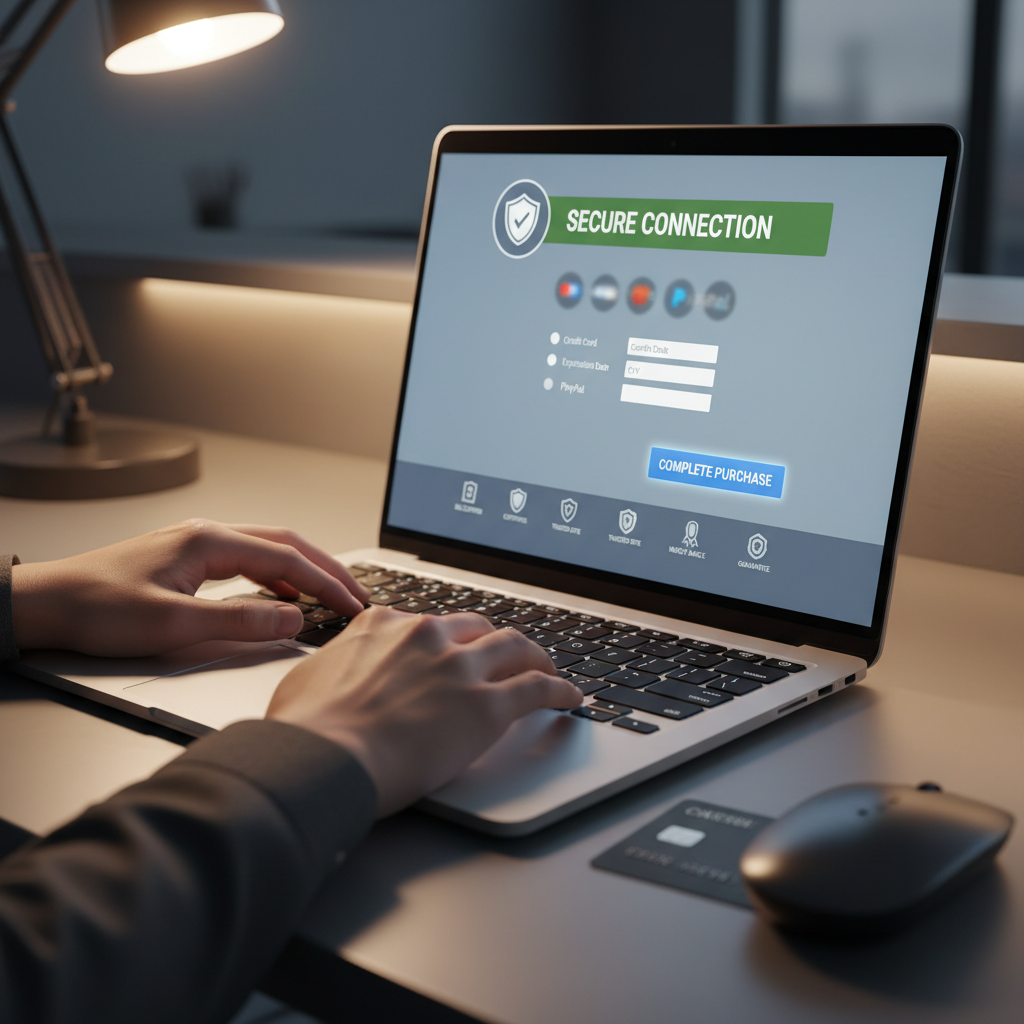
Always shop from well-known and reputable websites. Look for HTTPS in the website URL, which indicates a secure connection. Well-established retailers invest in security measures to protect their customers' information.
Check for Customer Reviews
Before making a purchase, check customer reviews and ratings. Reviews can provide insight into the product quality and the reliability of the seller. Be cautious of sites with overwhelmingly positive or negative reviews, as these could be manipulated.

Secure Your Personal Information
When setting up online accounts, use strong and unique passwords for each site. Avoid using easily guessed information such as birthdays or common words. Consider using a password manager to keep track of your credentials safely.
Be Cautious with Personal Details
Only provide necessary information when making a purchase. Be wary of sites that request excessive personal details. Legitimate retailers typically require only essential information to complete a transaction.

Monitor Your Financial Statements
Regularly check your bank and credit card statements for any unauthorized transactions. Early detection of suspicious activity can prevent significant financial loss. Set up alerts with your bank to notify you of large or unusual transactions.
Use Secure Payment Methods
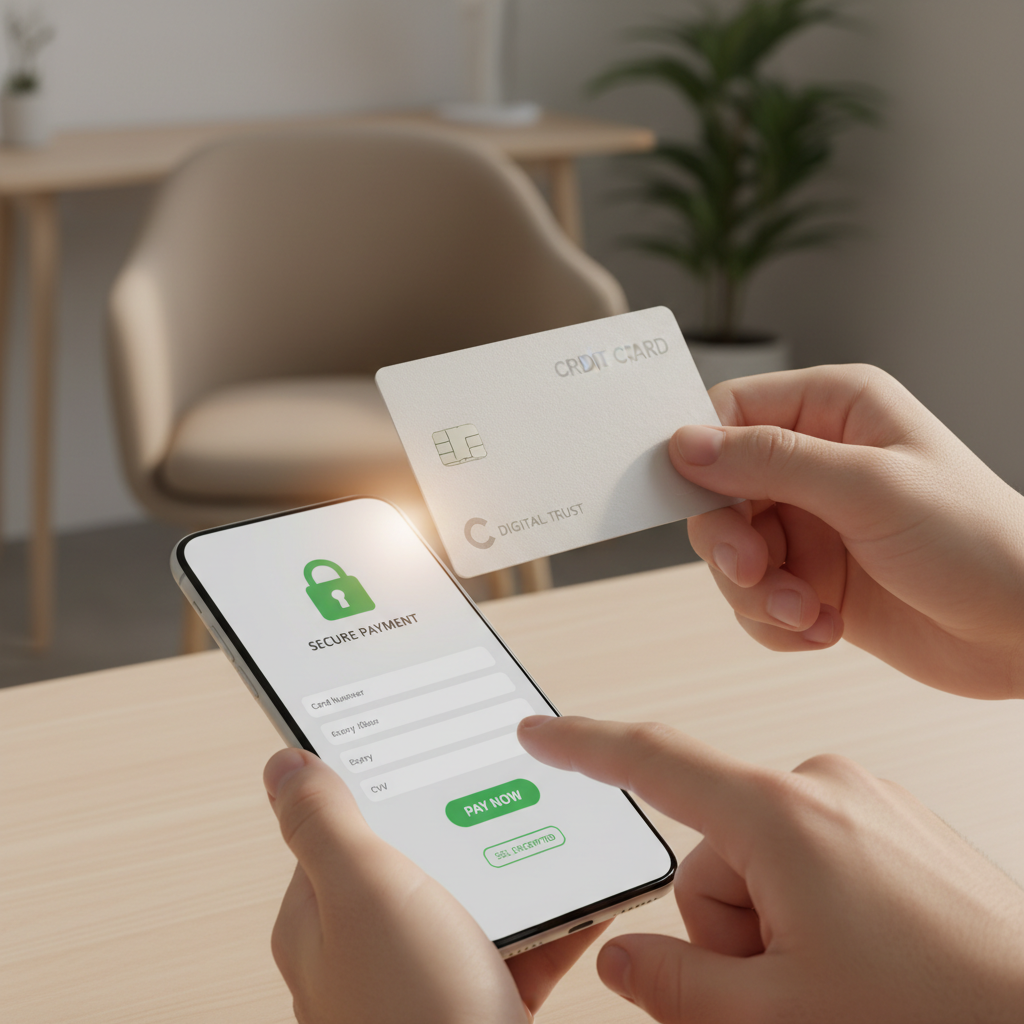
Consider using credit cards or secure payment services like PayPal for online purchases. These methods offer additional protection compared to debit cards, and many credit cards provide fraud protection services.
Be Wary of Phishing Scams
Phishing scams often come in the form of emails or messages that appear to be from legitimate companies. These scams attempt to steal your personal information. Always verify the source before clicking on links or downloading attachments.
Recognizing Phishing Attempts
Look for red flags such as poor grammar, urgent requests, or unfamiliar sender addresses. If in doubt, visit the official website directly by typing the URL into your browser instead of clicking links in emails.
Conclusion
By following these expert tips, you can enjoy a safe and secure online shopping experience. Stay informed, be vigilant, and take proactive steps to protect your personal information. Happy shopping!