
Expert Tips for Safe and Secure Online Shopping
Understanding the Risks of Online Shopping
Online shopping offers incredible convenience, but it's essential to be aware of potential risks. Cybercriminals are continually finding new ways to steal personal information. Understanding these risks is the first step to protecting yourself.
Choose Reputable Websites
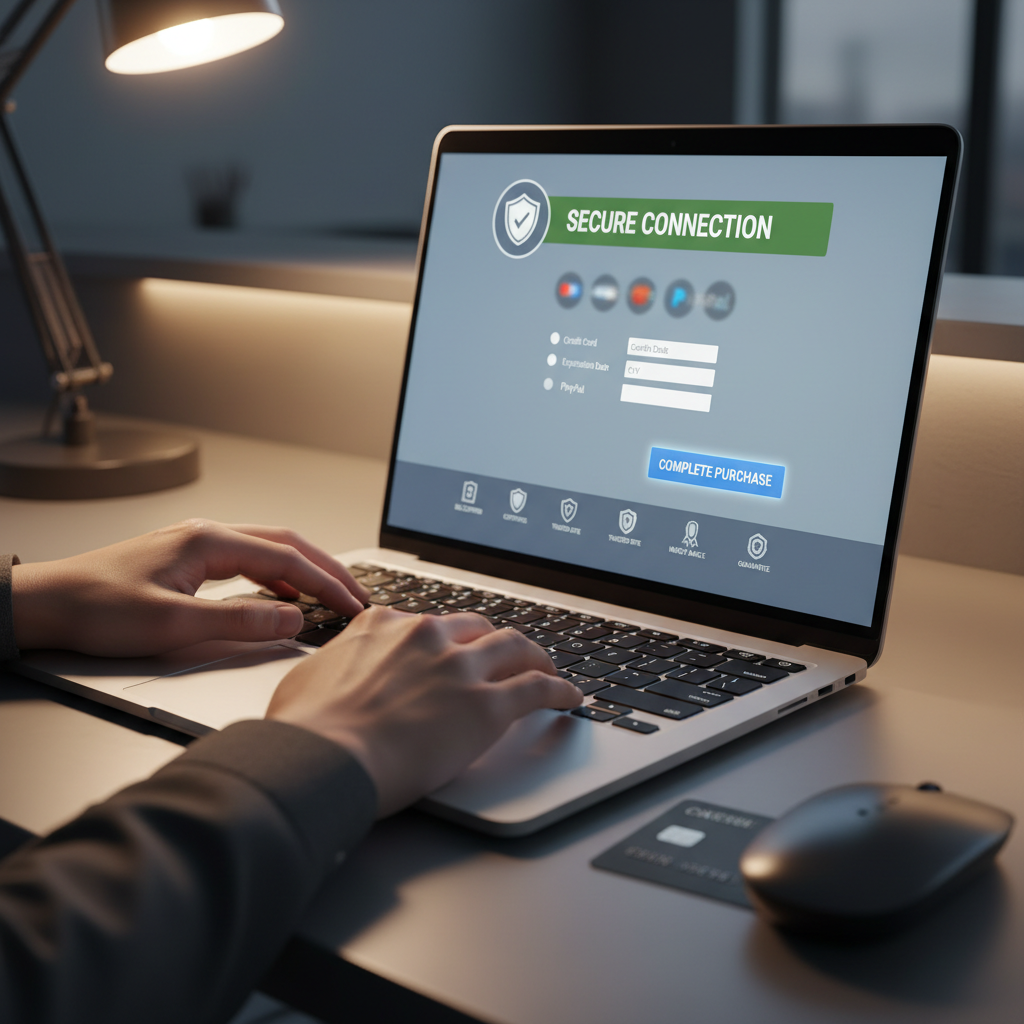
Always shop on websites that you trust. Look for well-known retailers and check for secure connections by ensuring the URL begins with https://. The padlock icon in the address bar is another indicator of a secure site.
Protecting Your Personal Information
One of the most critical aspects of safe online shopping is protecting your personal information. Here are some key tips:
- Use Strong Passwords: Create unique passwords for each account to reduce the risk of breaches.
- Enable Two-Factor Authentication: This adds an extra layer of security when logging in.
- Be Cautious with Personal Details: Share only the necessary information when making a purchase.

Monitor Your Accounts Regularly
Regularly checking your bank and credit card statements helps you spot unauthorized transactions quickly. Sign up for transaction alerts if your bank offers them, so you can address any suspicious activity immediately.
Secure Payment Methods
Always use secure payment methods when shopping online. Credit cards are generally safer than debit cards because they offer better fraud protection. Consider using payment services like PayPal, which provide an additional layer of security.
Avoid Public Wi-Fi
Shopping on public Wi-Fi networks can expose your data to hackers. If you must shop using public Wi-Fi, use a virtual private network (VPN) to encrypt your data. This ensures that your information remains safe from prying eyes.
Recognizing Phishing Scams
Phishing scams are attempts to trick you into providing personal information. Be wary of emails or messages that ask for sensitive information or direct you to unfamiliar sites. Always verify the sender's identity before clicking on any links.
Keep Your Software Updated
Ensure your devices and browsers are always updated with the latest security patches. This helps protect against vulnerabilities that hackers might exploit. Using antivirus software adds an extra layer of protection.
Conclusion
By following these expert tips, you can enjoy the convenience of online shopping while keeping your personal information safe and secure. Stay informed and vigilant to protect yourself against the ever-evolving landscape of online threats.